Destinations
Hierapolis: The Ancient City Above the Terraces
Hierapolis passed to Rome in 133 BC. It shares one UNESCO inscription — and one entry ticket — with the travertines below it.
The half of the site people walk past
Hierapolis is the reason the ticket costs what it costs, and it is the part most day visitors never reach. The terraces are at the bottom of the slope. The city is on top of it, and it is a city — not a monument, not a viewpoint, but a street plan you can still follow on foot.
One inscription, two kinds of value
UNESCO inscribed Hierapolis–Pamukkale in 1988, list no. 485, under criteria iii, iv and vii, covering 1,077 hectares. The listing is a mixed one: cultural and natural value recognised in the same decision.
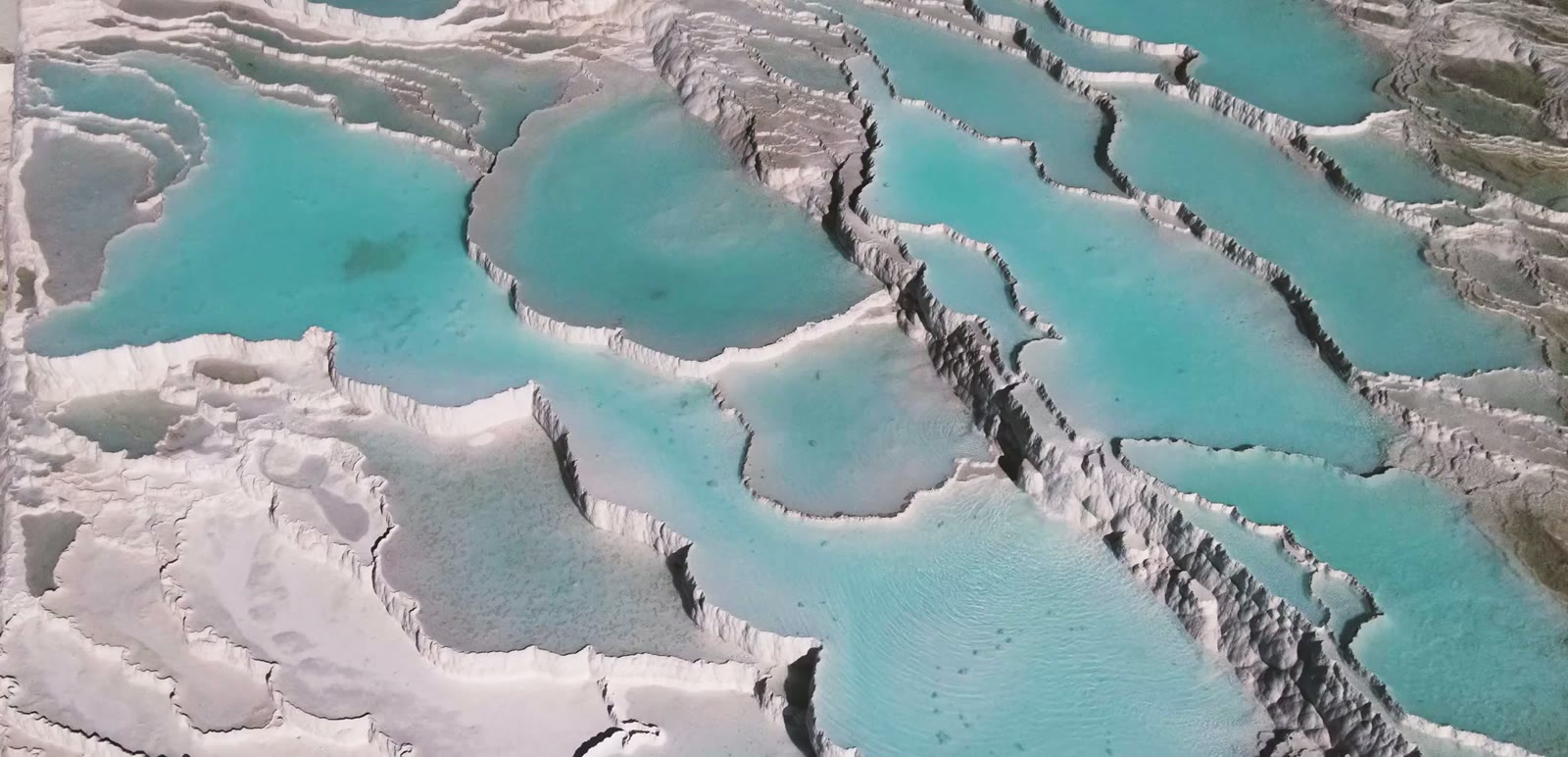
The two halves are not neighbours by accident. The hot mineral springs that built the terraces are the reason a city was founded here in the first place. People came for the water; the water left the white stone behind.
About 2,100 years of Roman city
Hierapolis passed to Rome in 133 BC — the date UNESCO gives for the transfer. That places roughly 2,100 years between the Roman city and the path you walk on today.
What survives is urban rather than ceremonial: a theatre cut into the hillside, a colonnaded main street running through the settlement, an extensive necropolis, the sanctuary known as the Plutonium, and the martyrion built for Philip the Apostle on the hill above.
The same ticket, the same boundary
Entry to the travertines and entry to Hierapolis are one transaction. The Ministry’s official price list (DÖSİM) sets foreign-visitor entry at €30 per person, and there is no separate ancient-city ticket to buy at the top of the slope.
Practically, that means the decision is not whether to see Hierapolis but when. The light on the terraces is best at the ends of the day; the ruins are open ground with little relief from the sun. How those two facts are sequenced is the whole difference between a good day and a hot one.
Getting the walk right
The site has three entrances: the North Gate, the South Gate, and the pedestrian gate in Pamukkale town. They start you in different parts of the site and leave you in different places at the end.
Remember that the travertine route between the two halves is walked barefoot on wet, slippery stone. Whatever you carry up to the ancient city, you will be carrying it across that surface as well.
Back to the site and its ticket · the balloon morning · visiting with children
Updated: